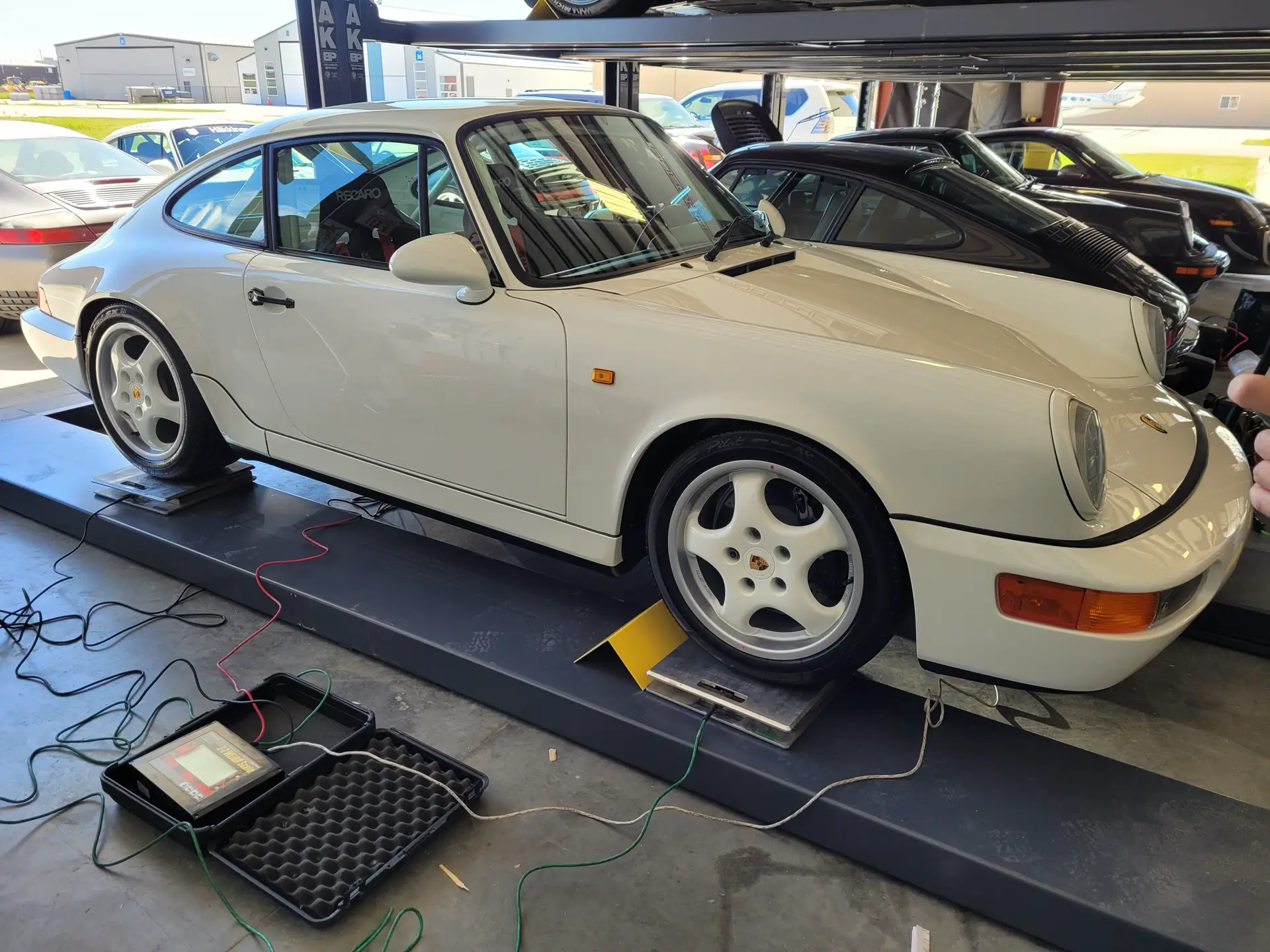
Road force balancing spins the wheel and tire against a loaded roller that simulates the weight of the car on the road. It catches stiffness variations and subtle bends a standard spin balance misses, which is why it fixes vibrations that keep coming back after a normal balance.
How it differs from a normal balance
A standard spin balancer finds heavy spots and tells the technician where to add weight. That is all it measures.
A road force machine does the same, then presses a roller against the tread and measures how evenly the tire pushes back as it turns. A stiff spot in the tire or a slight bend in the wheel shows up even when the weights are perfect.
Often the fix is to turn the tire on the wheel so the two imperfections cancel out, rather than adding more weight.
When you need it
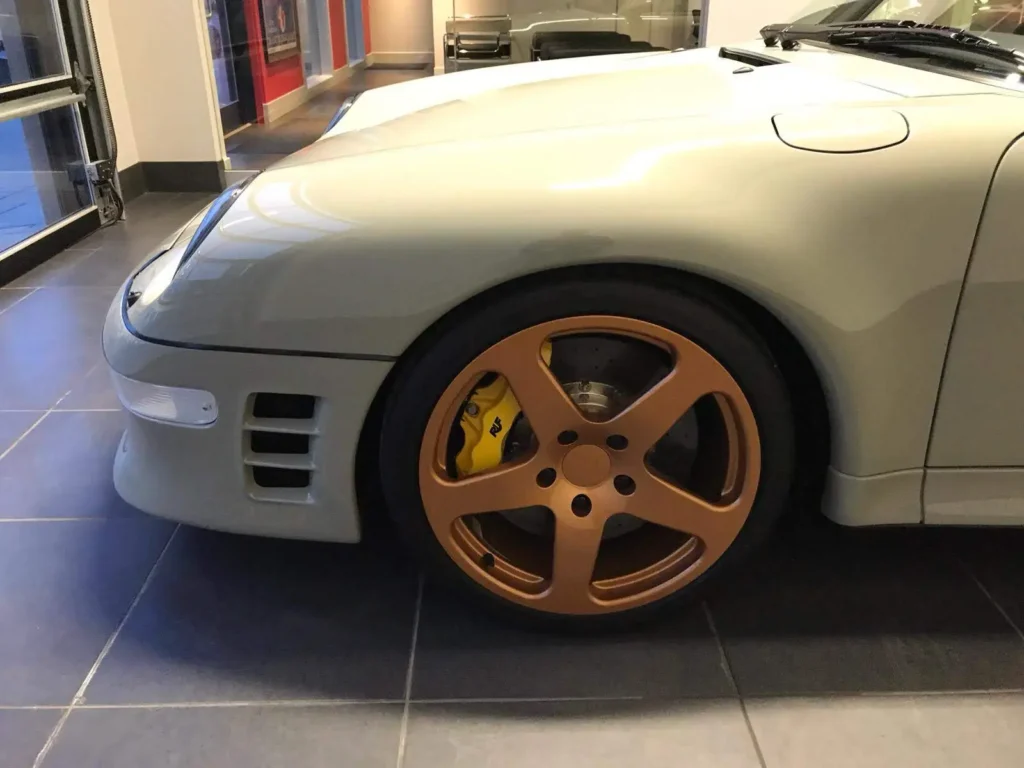
Low-profile tires and performance wheels leave less sidewall to hide imperfections, so small variations are felt in the steering wheel and the seat.
- A vibration at highway speed that a normal balance did not fix
- New tires on performance or custom-finished wheels
- After a serious pothole strike
- Wide or staggered setups
We use Hunter Road Force balancing as part of our wheel and tire service in Calgary.
What happens at mount and balance
Four patches of rubber carry everything your car can do. This is how we treat them.
Touchless mounting
Touchless equipment protects delicate wheel finishes. Standard machines can scratch lips or stretch tire beads.
Road-force balancing
Balancing under simulated load finds the vibrations a spin balancer can’t.
Precision alignment
Measured and set to your use, always with a printout of before and after.
Torque discipline
Every fastener torqued to spec, then a road test to confirm.
TPMS
Sensor service and programming, with honest repair-or-replace calls on damaged tires.
Tire selection and fitment
Sizing, load rating, compound and season matched to your car and Calgary’s roads.
Balance is not alignment
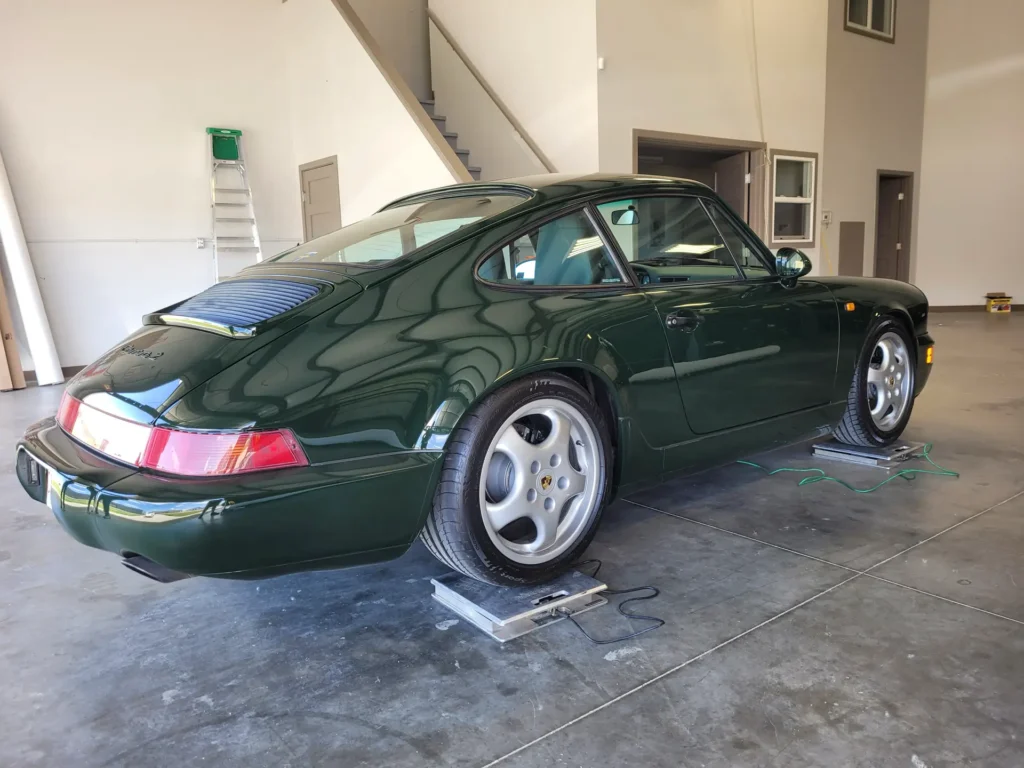
The two get confused. Balancing fixes vibration. Alignment fixes pulling, an off-centre steering wheel and uneven tire wear.
Alignment is worth checking after new tires, after any suspension work, after a serious pothole strike, and any time the car pulls or the wheel sits off-centre.
We set alignment to how the car is used: factory spec for daily comfort, adjusted geometry for spirited or track driving.
Questions owners ask
Do I need road force balancing?
On performance wheels and low-profile tires, it’s the difference between smooth and almost-smooth. It is also the next step when a vibration survives a standard balance.
Will mounting damage my expensive wheels?
Not here. Touchless equipment never contacts the wheel face, which is exactly why we invested in it.
How often should I get an alignment?
After new tires, after any suspension work, after a serious pothole strike, and any time the car pulls or the wheel sits off-centre. On our roads, an annual check is worth it for expensive tires.
Do I really need winter tires in Calgary?
Below about 7°C, winter compounds outgrip all-seasons regardless of snow. If you drive your car year-round here, a dedicated winter set is the single best safety upgrade you can buy.
Can you handle wide or staggered performance setups?
Yes, along with the fitment math that comes with them. Offset, clearance and rotation implications sorted before you commit to a set.