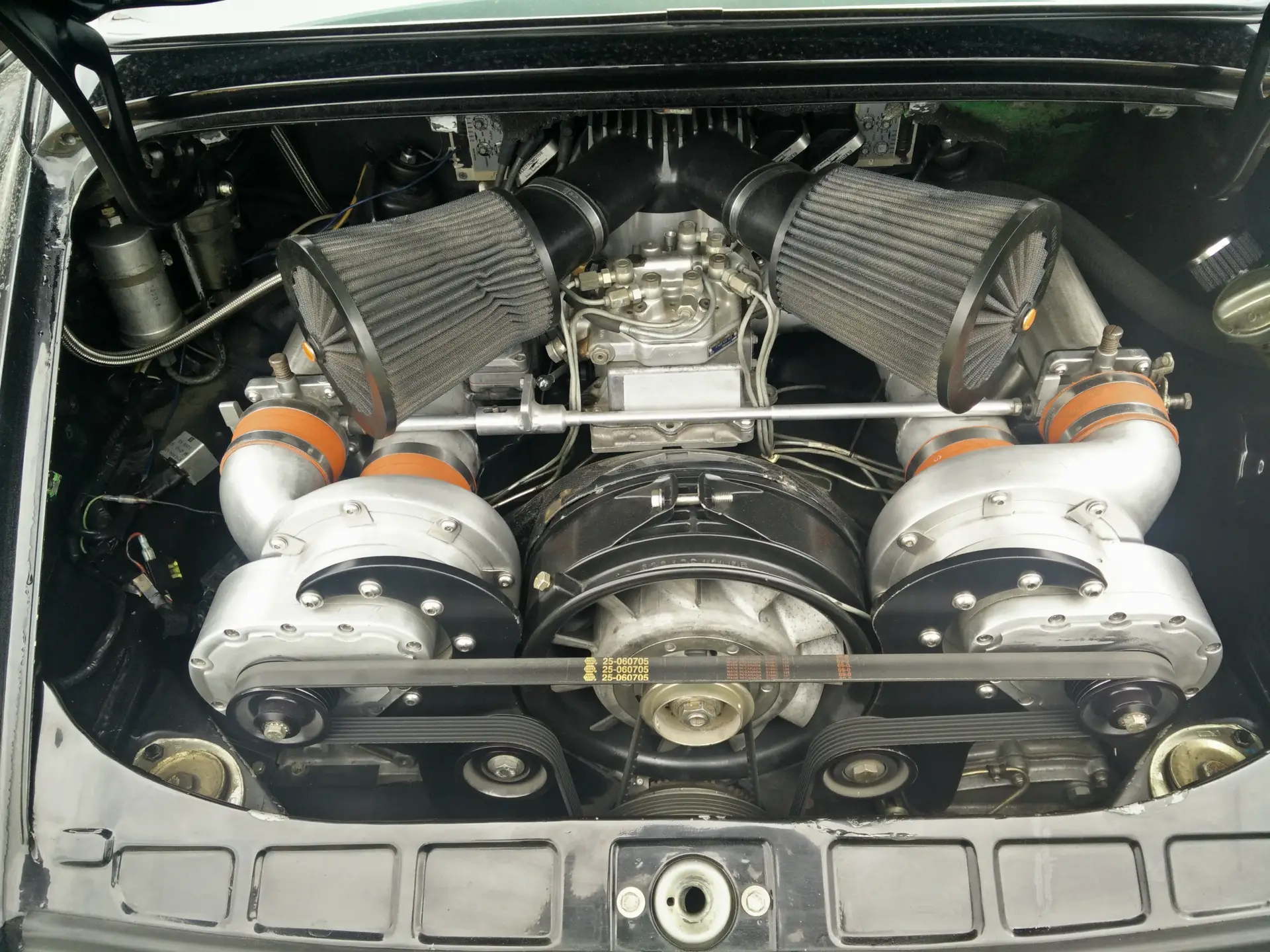
Start with the goal, not the parts list. Tires, brakes and suspension usually transform a car more than power does. Forced induction adds the most power, and at Calgary’s altitude it gives back what thinner air takes away. Whatever you choose, the parts have to be matched to each other and calibrated for your fuel and climate.
Forced induction at altitude
Building a fast car in Calgary takes an understanding of how our 3,500-foot altitude and drastic temperature swings affect an engine.
Thinner air means naturally aspirated engines lose power. A turbocharger or supercharger compresses the intake air, which is why forced induction suits this city so well.
Our performance tuning in Calgary pairs forced induction with ECU calibration to keep air-to-fuel ratios safe.
Intake, exhaust and calibration
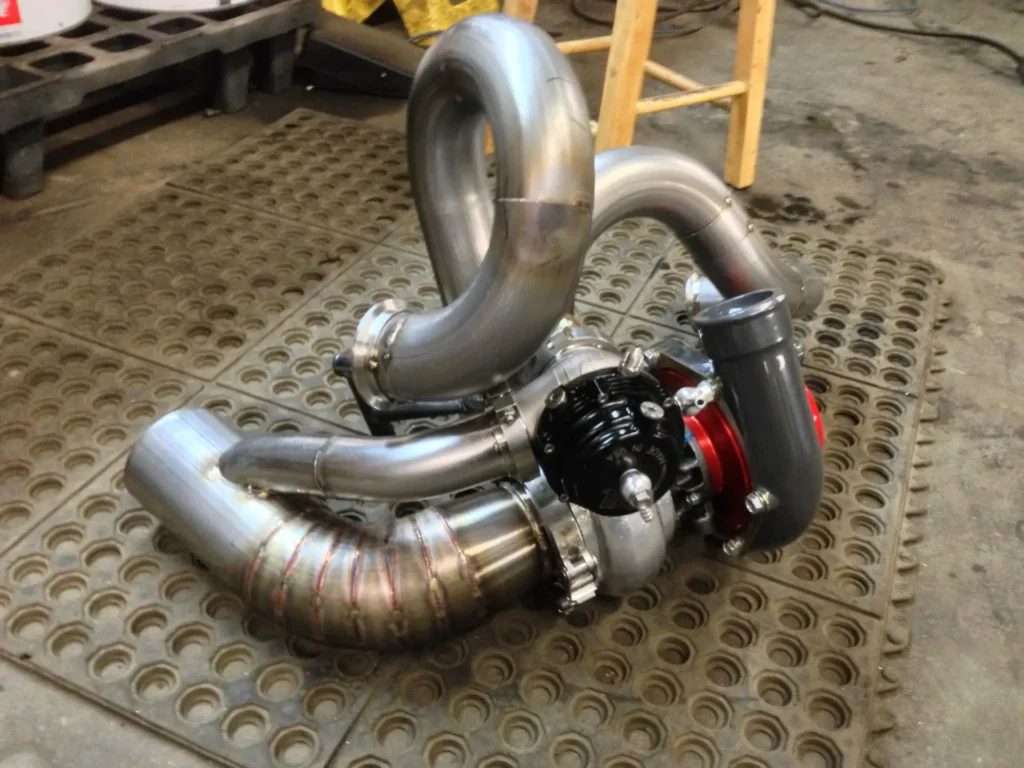
An intake or an exhaust on its own changes less than most people expect. The gains come when the parts are matched to each other.
We match intake, exhaust and calibration to each other and to your fuel, your climate and your goals. Power you can use every day, not just claim.
We spec components that work together and tell you plainly what each one will and will not change.
Coilovers and suspension
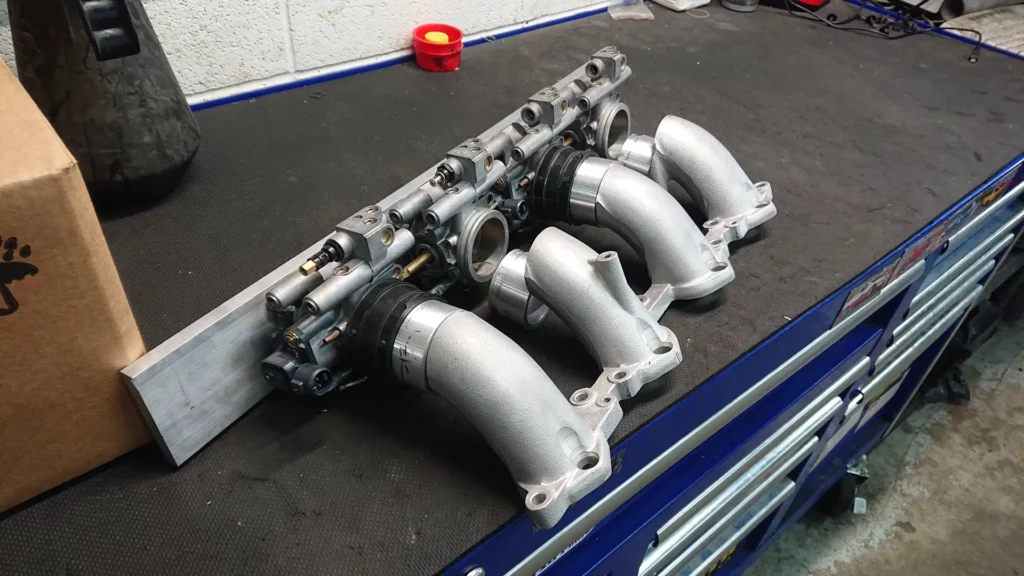
Suspension is where a car starts to feel different on the first drive. Coilovers, sway bars, bushings and geometry all work together.
We set them up for how and where you actually drive, from daily comfort to track alignment settings.
Any suspension change needs an alignment afterwards. See road force balancing and alignment for why the wheels and tires matter just as much.
An order that works
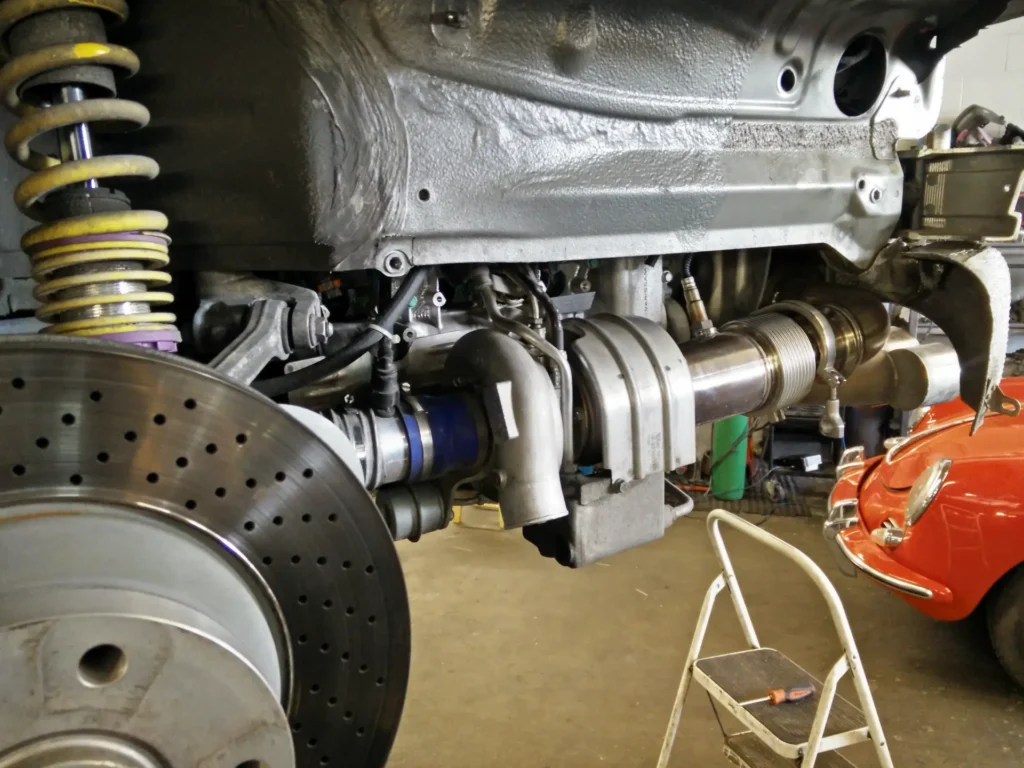
Power, braking, cooling and grip upgraded in balance, so the car stays trustworthy as it gets faster.
Wheels, tires and fitment
The single biggest performance upgrade on most cars. Sizing, offset and compound chosen for grip, clearance and Alberta’s seasons.
Braking
Pads, rotors, lines and fluid chosen for your use. The fastest car in the group should also be the one that stops.
Suspension and handling
Coilovers, sway bars, bushings and geometry set up for how you drive.
Engine and software
Intake, exhaust and calibration matched to each other, then forced induction where the goal calls for it.
Drivetrain
Clutches, limited-slip differentials and mounts that put the new power down without turning the car harsh.
Track preparation
Safety equipment, cooling and inspection for lapping days and time attack.
How an upgrade project works
Define the goal
Daily with an edge, weekend canyon car or dedicated track build. The goal decides the parts list, never the other way around.
Engineer the package
We spec components that work together. No catalogue padding.
Install, test, verify
Fitted by factory-trained technicians, then road or track verified against the goal we set together.
Questions owners ask
Where do I start if I’ve never modified a car?
With the conversation, not the catalogue. Tires, brakes and suspension usually transform a car more than power does, and we’ll map an order of operations that fits your budget.
Can a modified car still be my daily driver?
Yes, if it’s built to be. Most of our builds are daily drivers with sharpened edges. We tune for drivability first and tell you plainly when a part crosses into track-only compromise territory.
Will modifications void my warranty?
Modifications can affect warranty coverage on related components. We’ll tell you what each change realistically means for your coverage before you decide.
Is my car insurable and street-legal after modification?
We build to keep cars road-legal and advise on anything that affects emissions equipment or noise regulations. Insurance disclosure is between you and your insurer, and we recommend having that conversation.
Do you install parts I’ve bought elsewhere?
Case by case. We’ll install customer-supplied parts we can stand behind, and we’ll decline the ones we can’t, with an explanation either way.