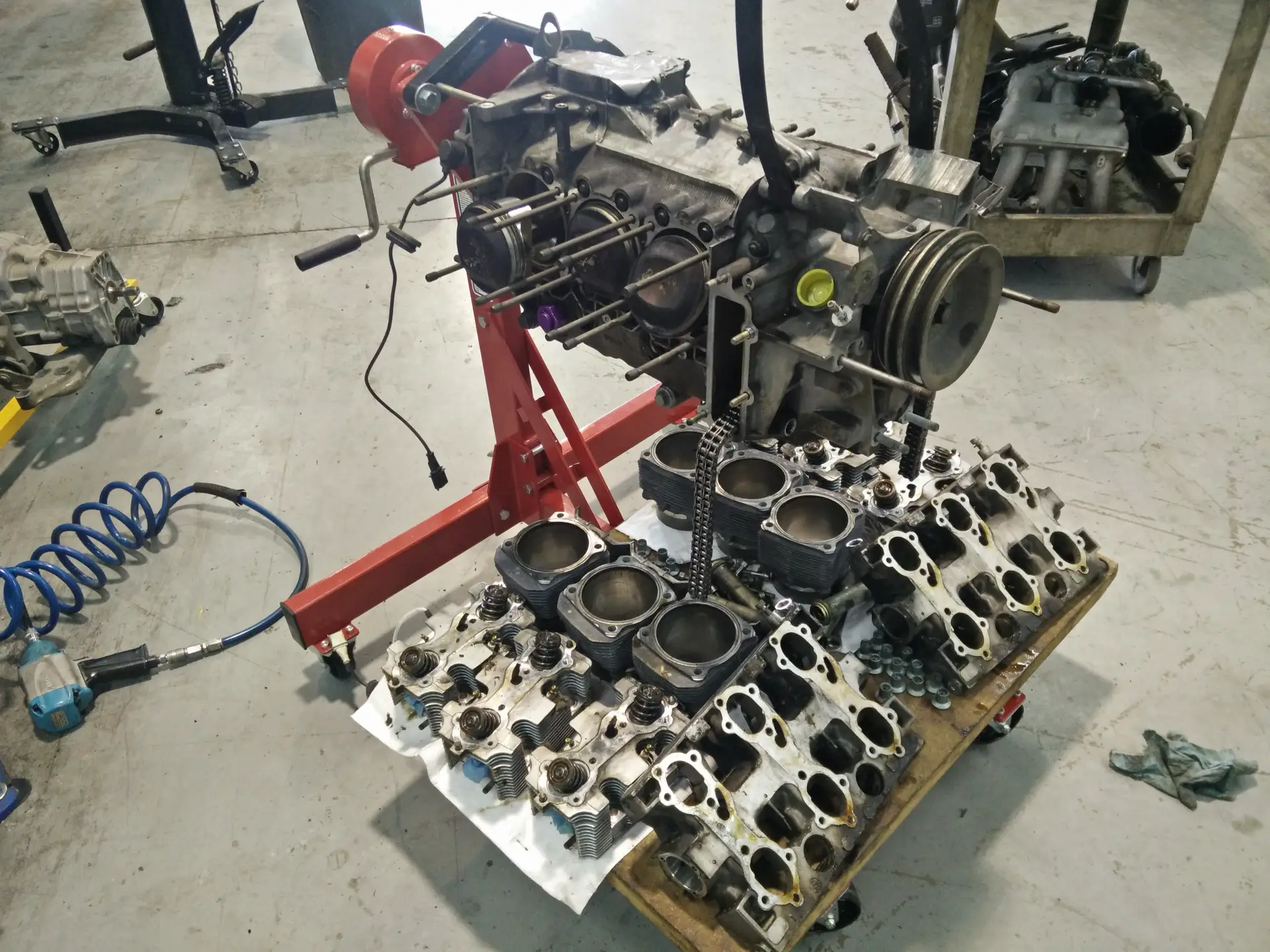
It depends on the engine, its failure and your plans for the car. A rebuild makes sense when the engine is worth saving and the damage can be measured and corrected. A used replacement engine is sometimes the smarter path. The honest answer comes after teardown and measurement, not before.
Start with the failure
An engine tells us its condition once it is apart and measured. Until then, any rebuild or replace answer is a guess.
The first step is a conversation: what the engine is for, what is wrong or what is wanted, and what the budget looks like. We are honest at this stage even when it costs us the job.
After teardown you get a documented assessment and a firm plan before any building begins.
When a rebuild is the right call
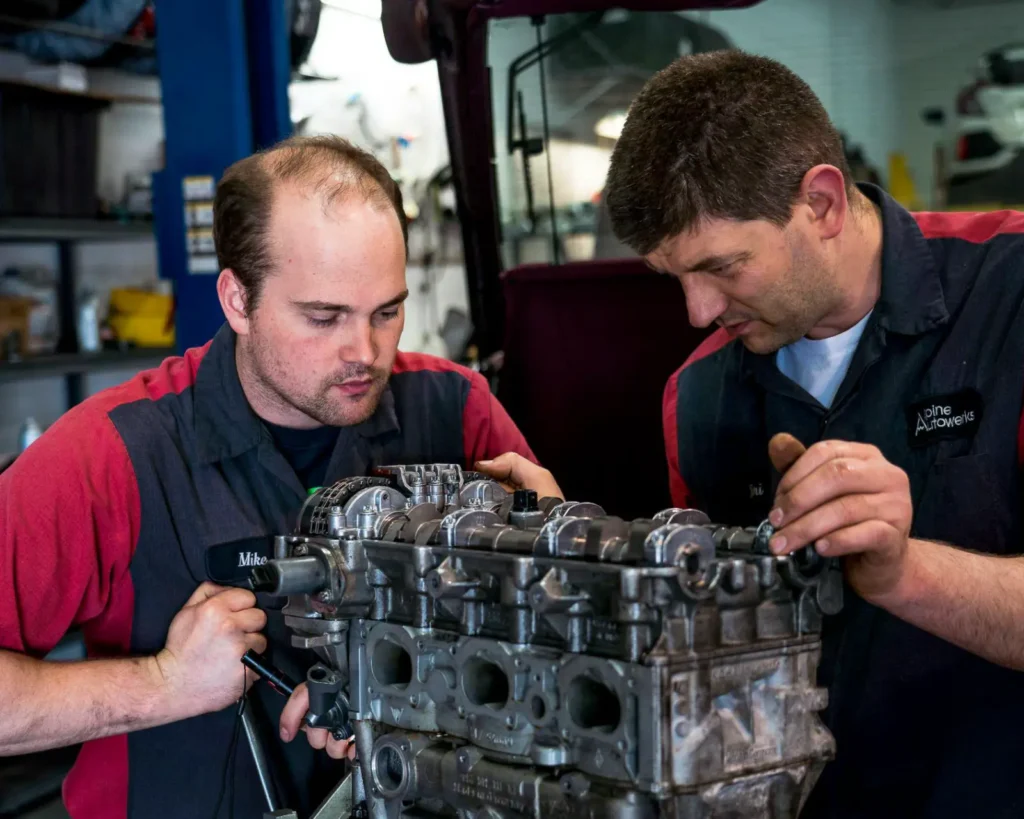
A rebuild keeps the engine your car was built with. Our engine rebuilds in Calgary fall into three kinds.
- Factory-spec rebuild. A tired engine returned to the specification it left the factory with.
- Corrective rebuild. Known weaknesses engineered out, so the engine goes back together stronger than the factory sent it out.
- Performance build. Built bottom ends and upgraded internals matched to a stated power goal, with reliability as part of the goal.
On enthusiast cars, a documented rebuild typically protects value.
When replacing makes more sense
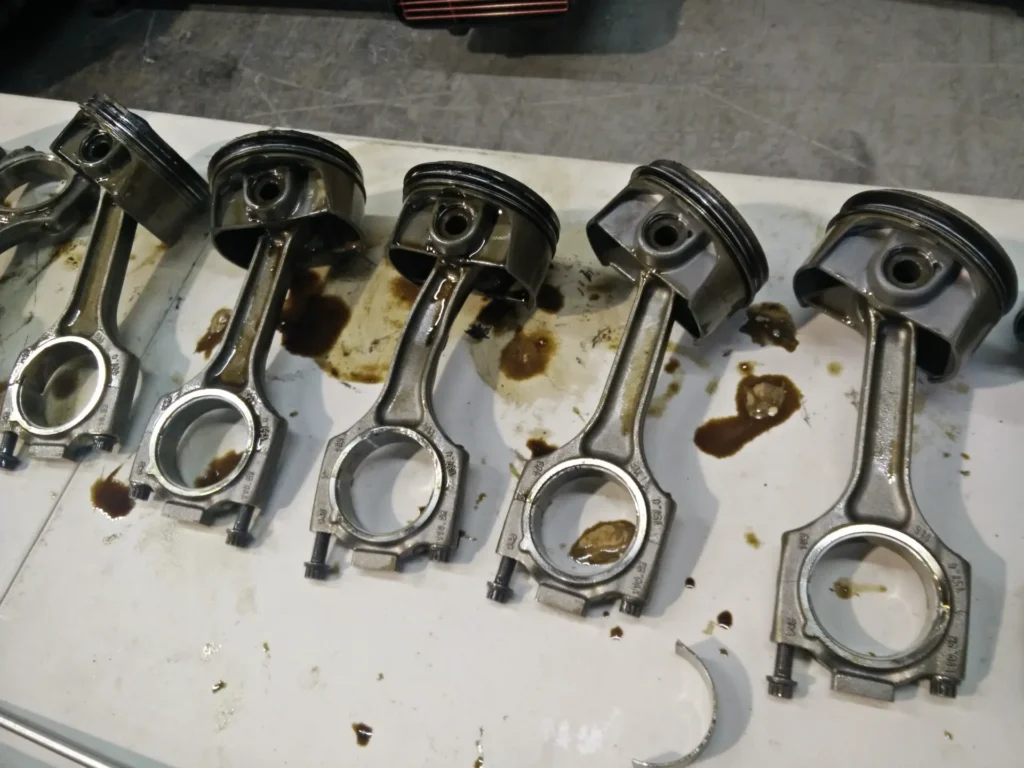
Sometimes the measurements say the engine is not worth saving, or the car simply needs to be back on the road sooner than machine work allows.
After teardown and measurement we give you an honest comparison, including when a used replacement engine is genuinely the smarter path.
A used engine carries its own unknowns, so its history and condition matter as much as its availability.
How a rebuild works
The conversation
What the engine is for, what is wrong or what is wanted, and what the budget looks like.
Teardown and measurement
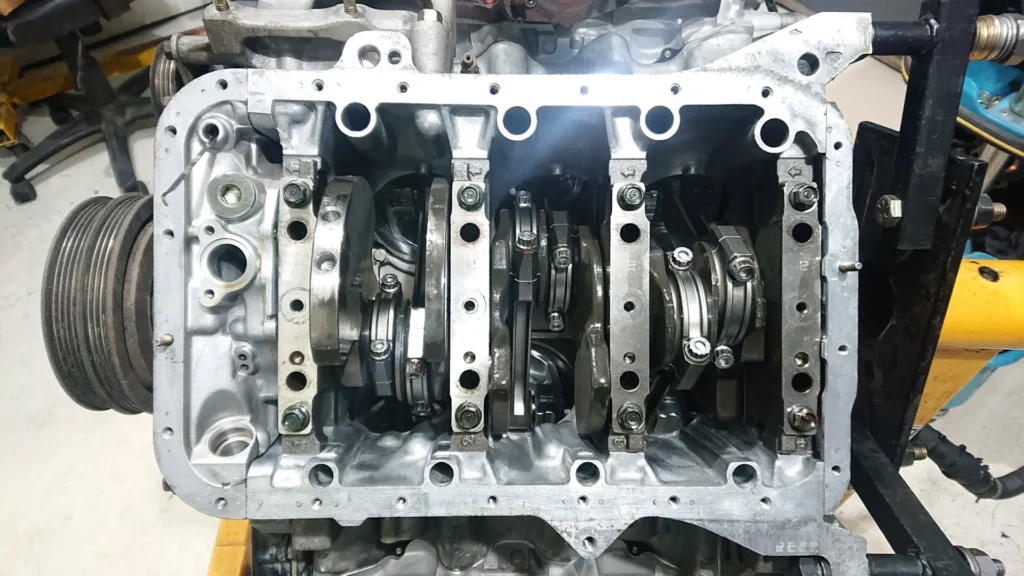
The engine tells us its condition once it is apart and measured. You get a documented assessment and a firm plan.
Build, break-in, follow-up
Assembly to recorded tolerances, a disciplined break-in and a follow-up inspection. Then the keys, and the file that proves what was done.
What separates a proper rebuild
A build is only as good as its tolerances. Three things we do on every engine.
Machine work and measurement
Precision machining, balancing and blueprint-level measurement.
Assembly and break-in
Clean-room discipline during assembly, then a proper break-in procedure and follow-up inspection before the engine is asked to work hard.
The build file
Every measurement, part number and stage photo in one document. You know exactly what’s inside your engine, and so does the next owner.
Questions owners ask
How long does a rebuild take?
Longer than a parts swap, and we won’t pretend otherwise. Machine work, measurement and proper break-in take the time they take. We give you a realistic schedule at the assessment stage and keep you updated against it.
Can you build for more power than stock?
Yes, when the goal is stated honestly and the supporting systems are part of the plan. We build to a power target and a reliability target at the same time, and we’ll tell you when a goal asks too much of a platform.
Will a rebuilt engine affect my car’s value?
A documented rebuild by a reputable shop typically protects value, and often adds it on enthusiast cars. The build file matters as much as the build.
Do you work on engines from cars you didn’t service?
Yes. Engines arrive in cars, on pallets, and occasionally in pieces in boxes. Start with the conversation and we’ll go from there.
Which engines do you rebuild?
We service all makes. European and performance engines are what we do daily, and their known failure points are checked as a matter of course.