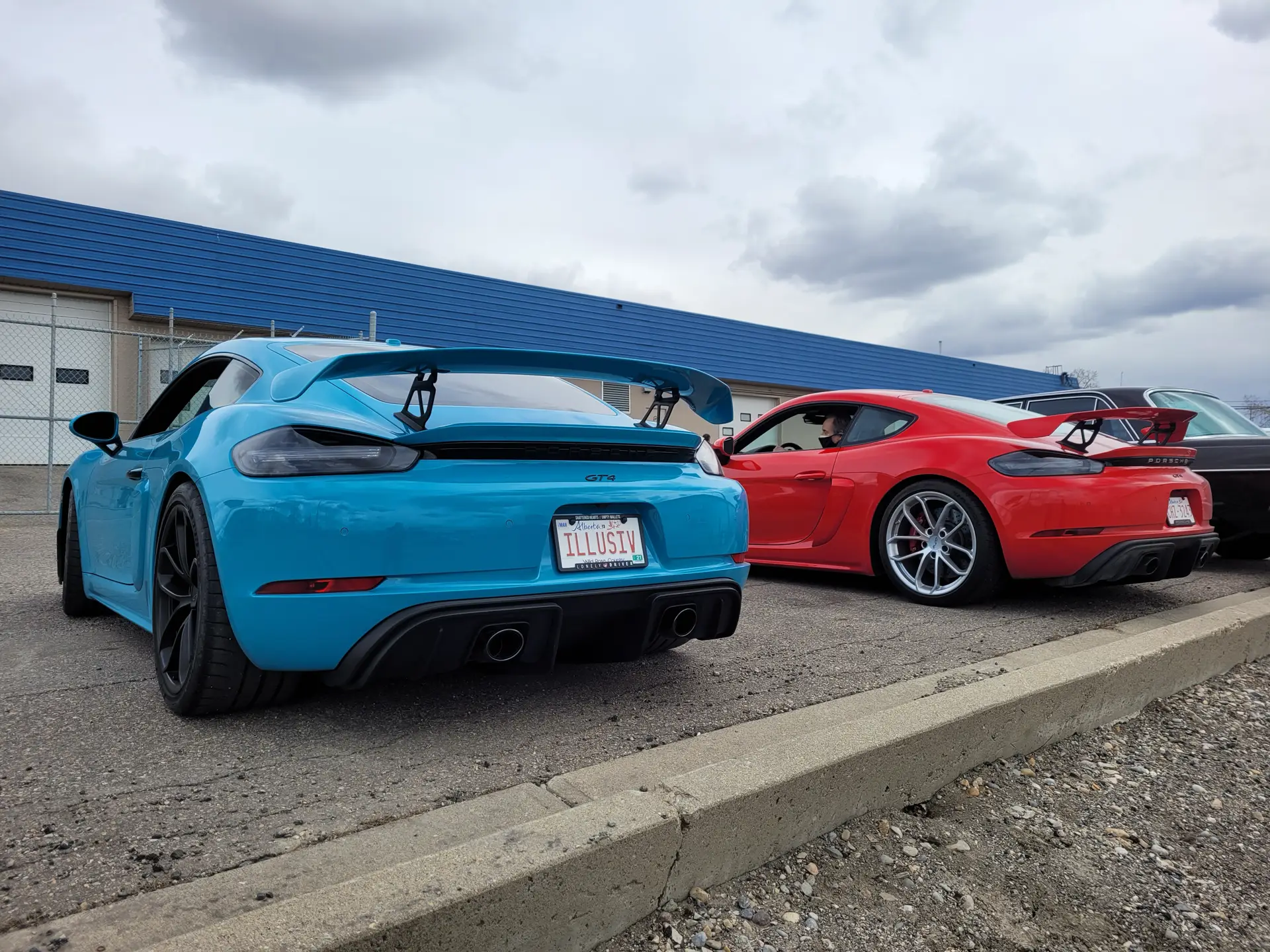
PDK is Porsche’s dual-clutch transmission. It uses two clutches, one for the odd gears and one for the even gears, so the next gear is already selected before the shift happens. It drives like an automatic, shifts faster than a manual, and it still needs fluid service on the factory interval for your model.
How a PDK works
PDK stands for Porsche Doppelkupplung, German for double clutch. One housing holds two sets of gears and two clutches.
While you accelerate in one gear, the gearbox already has the next one engaged on the other clutch. A shift is a handoff from one clutch to the other, which is why it feels instant.
A control unit, often called the mechatronic unit, decides when to shift and how firmly each clutch applies. Other brands use the same idea under other names, such as DSG.
Why “sealed for life” is a myth
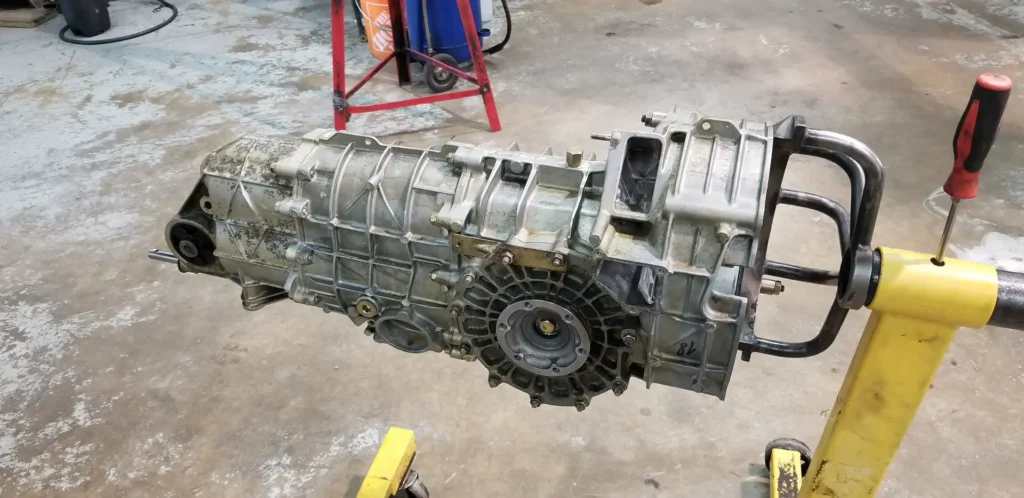
Many European manufacturers claim their transmissions are sealed for life, implying they never need servicing.
In reality, Calgary’s brutal winter temperature plunges and the daily stop-and-go grind of Deerfoot Trail severely degrade transmission fluid over time. Proactive servicing is how you stay ahead of gearbox failure.
Our transmission servicing in Calgary follows the factory interval for your specific gearbox, which varies by model and use.
What a proper PDK service involves
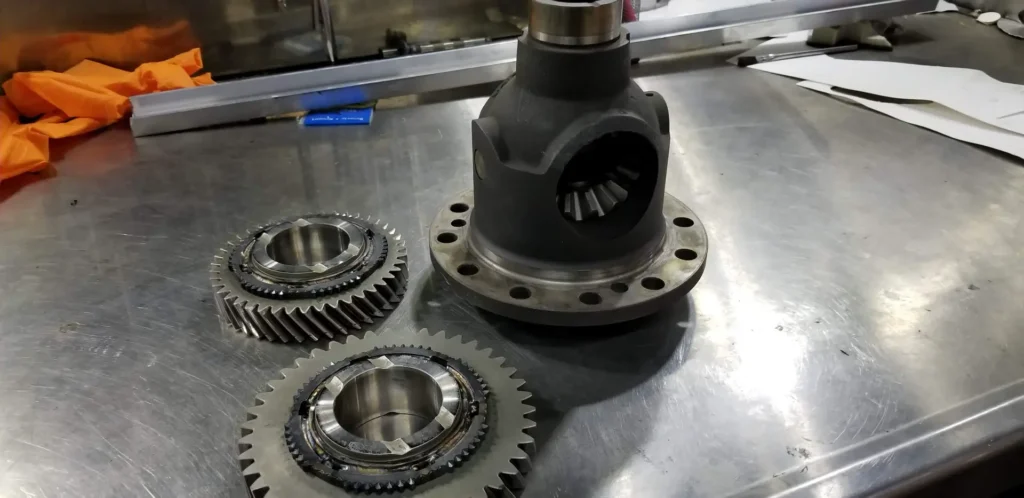
The right tooling is the whole job. This is what goes into a dual-clutch service at our shop.
Exact-specification fluid
Exact-specification fluids only, because “compatible” is how good gearboxes die young.
The factory procedure
Fluid services done with the exact factory procedure, not a drain and guess.
Fluid level and calibration
Modern European transmissions require factory-level equipment for fluid level, adaptation and calibration.
Clutch adaptation
The control unit relearns how each clutch engages, which is what keeps shifts clean after a service.
Mechatronic diagnosis
A factory-level scan, fluid inspection and road test before any conclusion.
Documented in your file
The fluid, the procedure and everything we found, recorded in your service file.
Signs a PDK needs attention
Harsh, hesitant or clunky shifting should be diagnosed methodically. Software adaptation, fluid condition and mechanical wear each leave different fingerprints.
- Harsh or hesitant shifts, cold or warm
- Clutch slip under load
- A transmission warning on the dash
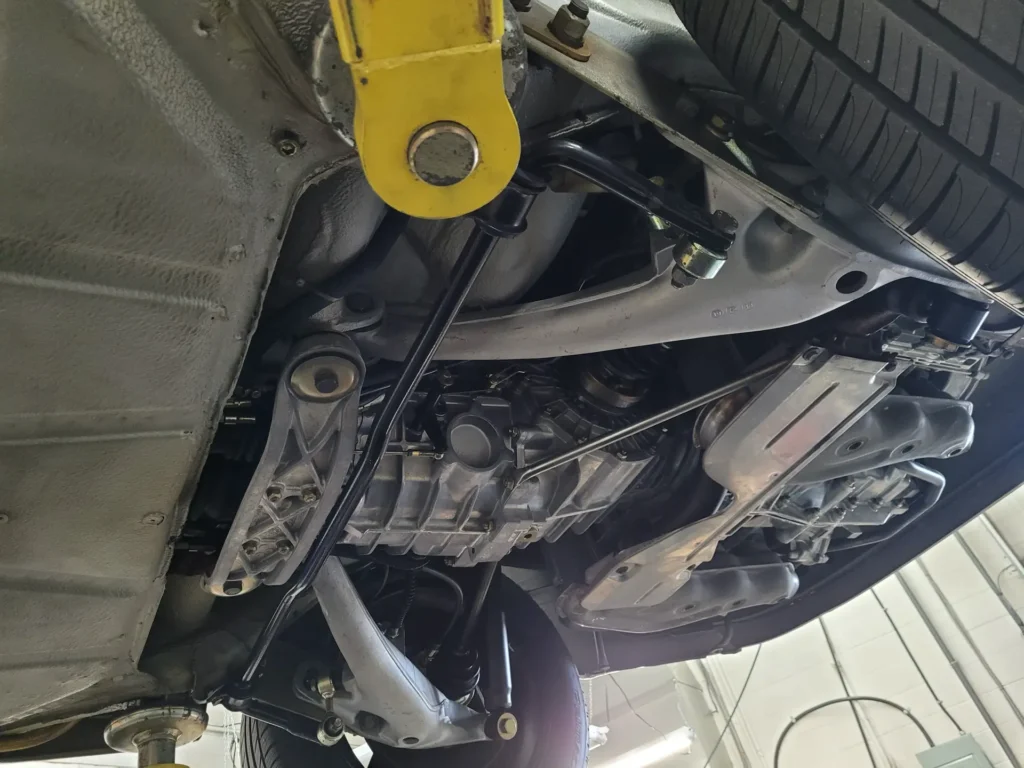
- Fluid under the car. Driveline leaks rarely improve on their own.
Note when it happens and in which gears. Transmission symptoms are specific, and the details point us to the cause faster.
Questions owners ask
My transmission is sealed for life. Does it really never need service?
Lifetime fill usually means the transmission’s lifetime, which the fluid quietly shortens. Fluid ages, and changing it on a sensible interval protects the gearbox.
How often should a PDK or DSG be serviced?
On the factory interval for your specific gearbox, which varies by model and use. Send us your VIN and we’ll tell you the real number and when it’s next due.
My dual-clutch feels jerky at low speed. Is it failing?
Not necessarily. Some low-speed behaviour is inherent to the design, some is adaptation drift, and some is early wear. A proper diagnosis separates personality from problem before anyone mentions a rebuild.
Another shop says I need a new transmission. Should I get a second opinion?
Yes, whatever shop said it. Transmission replacements are among the most misdiagnosed repairs in the trade. We’ll verify the finding with evidence either way.
Do you only work on Porsche transmissions?
No. We service all makes. European and performance vehicles are our specialty, and that is where our tooling advantage lies, including DSG and ZF automatics.