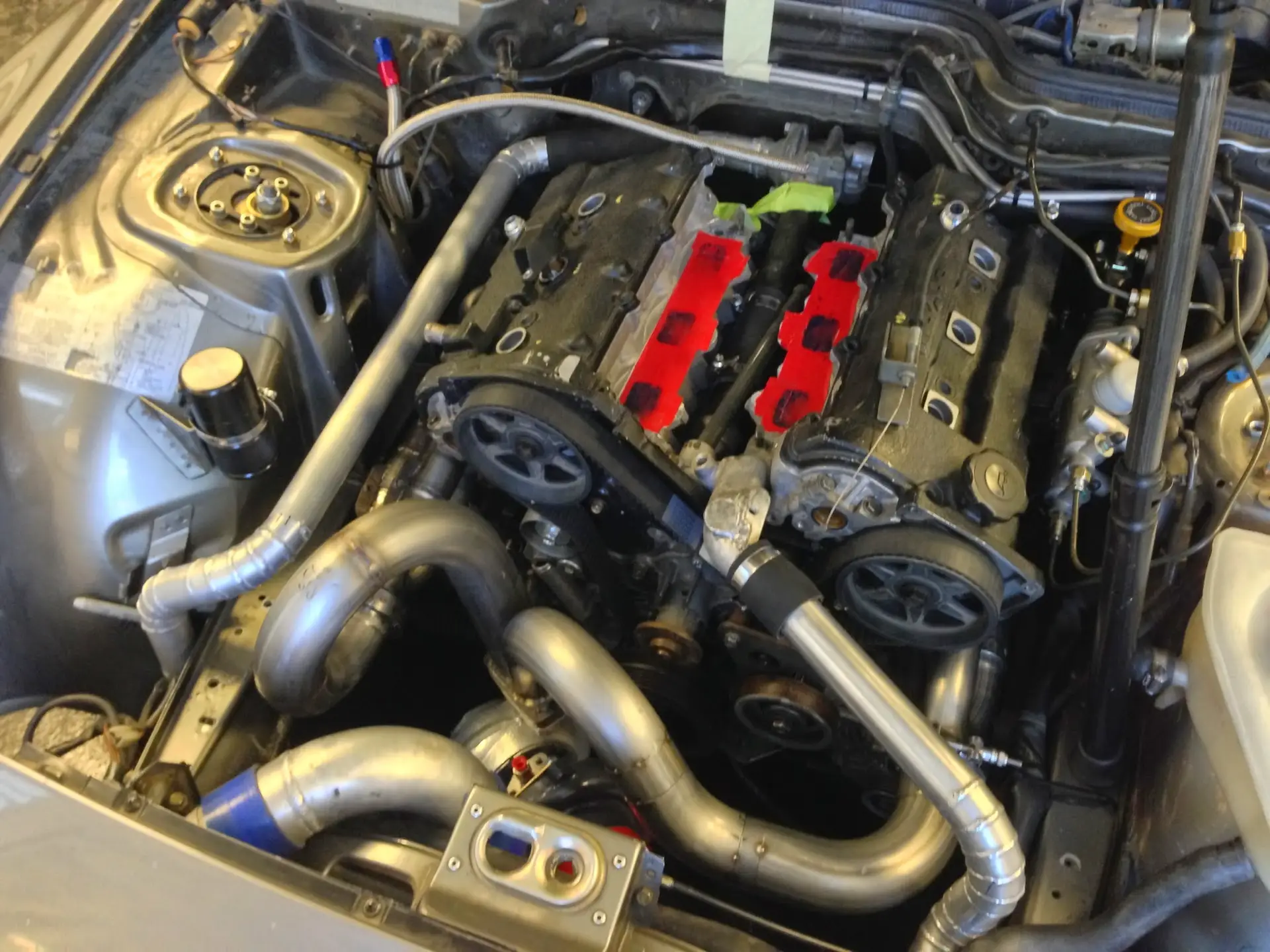
Coolant is changed on the factory interval for your car with fluid that carries the right approval code, not whatever is on the shelf. Between changes, watch for a low coolant warning, a sweet smell, drips under the car or a temperature gauge that moves. Leaks found early on the lift are a planned repair instead of a breakdown.
Signs of a coolant leak
Most leaks start small. These are the signs worth acting on:
- A low coolant warning, or a reservoir that keeps dropping
- A sweet smell after a drive, or drips under the front of the car
- Dried crust around hoses, joints or the radiator
- A temperature gauge that climbs in traffic or on hills
- Weak heat from the vents in winter
Early-stage coolant leaks are common in aging European engines. We find them on the lift, before they turn into bigger repairs.
Why the coolant itself matters
Coolant does more than stop freezing. It carries heat out of the engine and protects the metals and seals inside the system from corrosion.
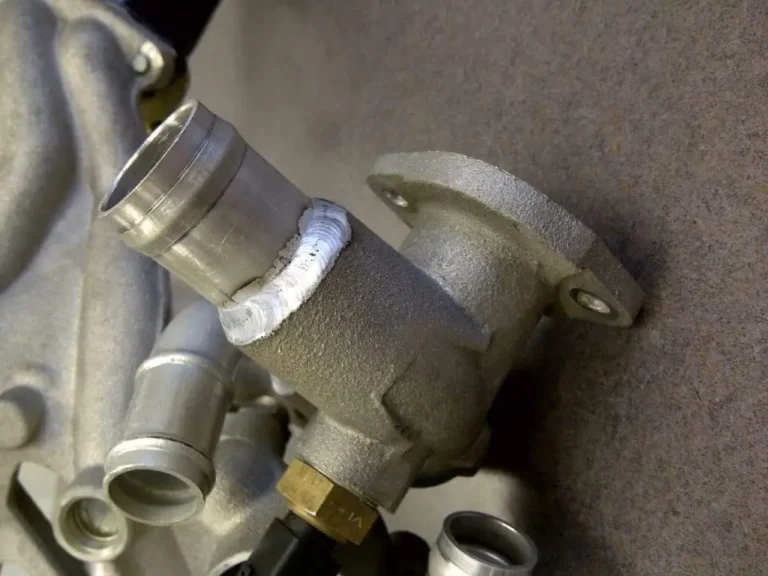
European manufacturers specify coolant by approval code. The wrong type can shorten the life of seals and parts that were designed around the right one.
That is why we refill with factory-spec coolant every time, and your invoice shows exactly what went in.
What a coolant flush does
Coolant ages. Its protective additives wear out over time, whether the car is driven daily or stored for the winter.
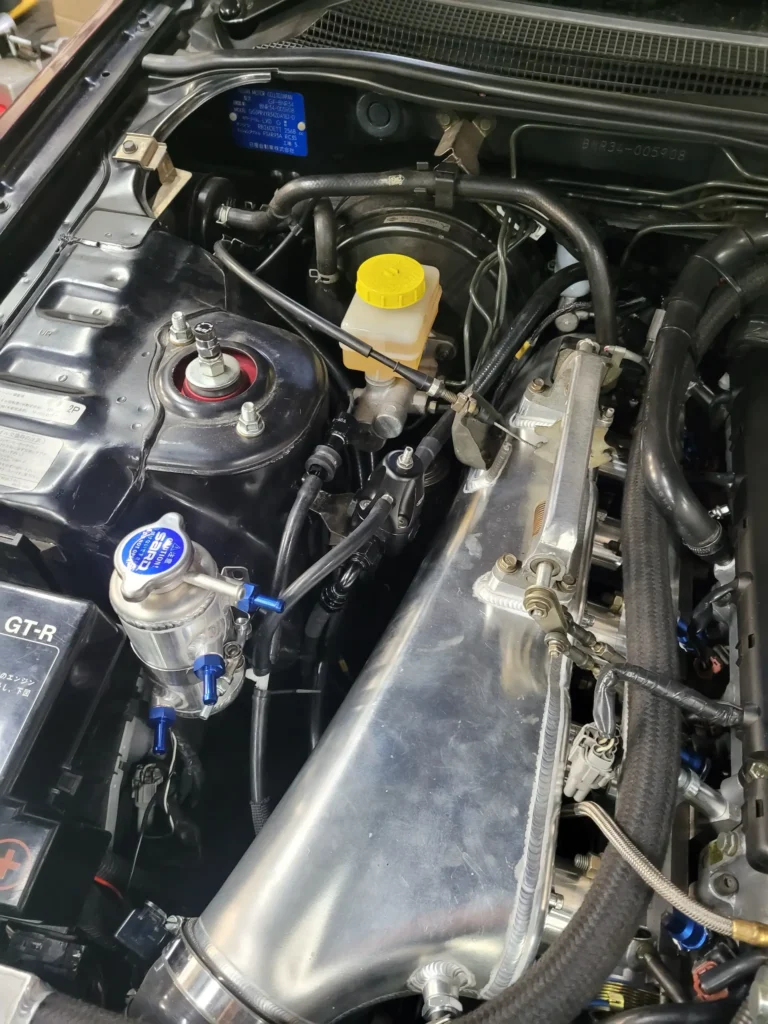
A coolant service drains the old fluid, refills with the correct coolant and bleeds the air out of the system, which matters on engines that trap air easily.
We change coolant on its real interval as part of scheduled factory maintenance, pulled from your factory schedule by VIN.
What our cooling work covers
Calgary temperature swings are hard on cooling systems. We look after them before they fail.
Coolant service
Coolant changed on its real interval with factory-spec fluid.
Found on the lift
Hoses, joints, reservoirs and radiators checked for early-stage leaks.
Radiators and pumps
Radiator repair and replacement, plus water pumps as a known weak point.
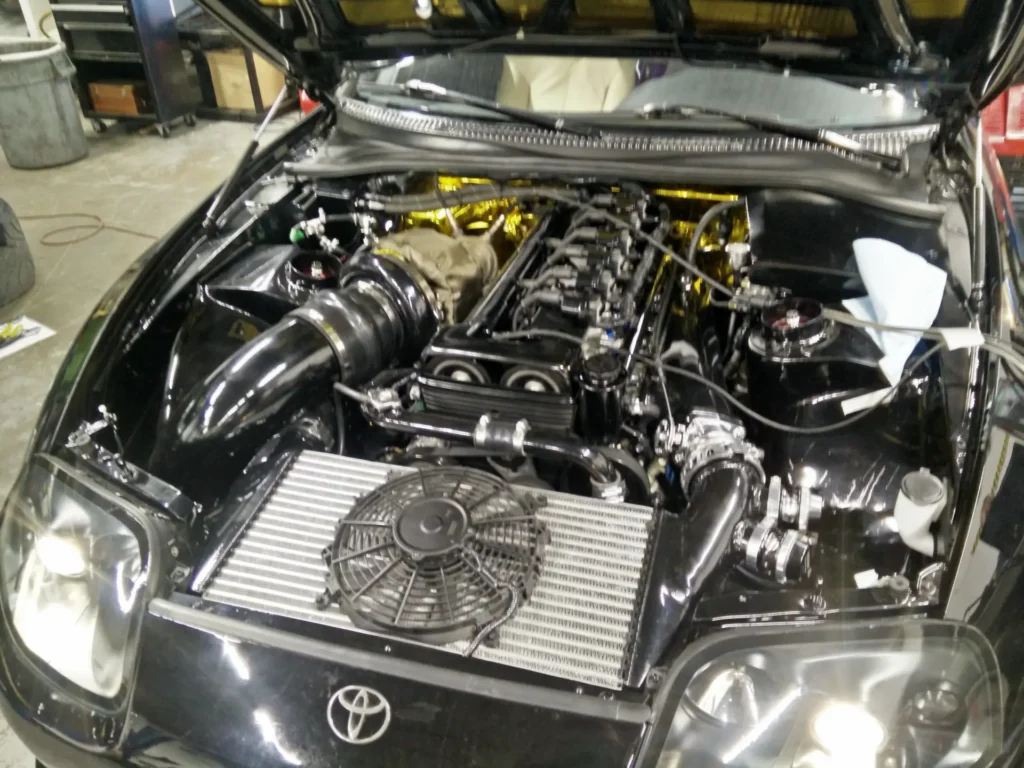
Tuned and track cars
Cooling upgraded in balance with power, braking and grip.
Questions drivers ask
How often should coolant be changed?
On the factory interval for your model. We pull your factory schedule by VIN as part of scheduled factory maintenance.
Can I top up with any coolant?
No. European engines call for coolant with a specific approval code, and the approval code on the jug matters more than the brand. Factory-spec fluids are non-negotiable with us.
Is a small coolant leak safe to drive on?
Not for long. Early-stage leaks are common in aging European engines and they rarely fix themselves. If the temperature gauge climbs or the car overheats, stop driving and have it looked at.
Do you repair radiators?
Yes. Radiators are part of our cooling system work, along with hoses, water pumps and coolant service.
Can you check the cooling system before I buy a car?
Yes. Leak checks and known-fault checks for the specific model are part of our pre-purchase inspection.