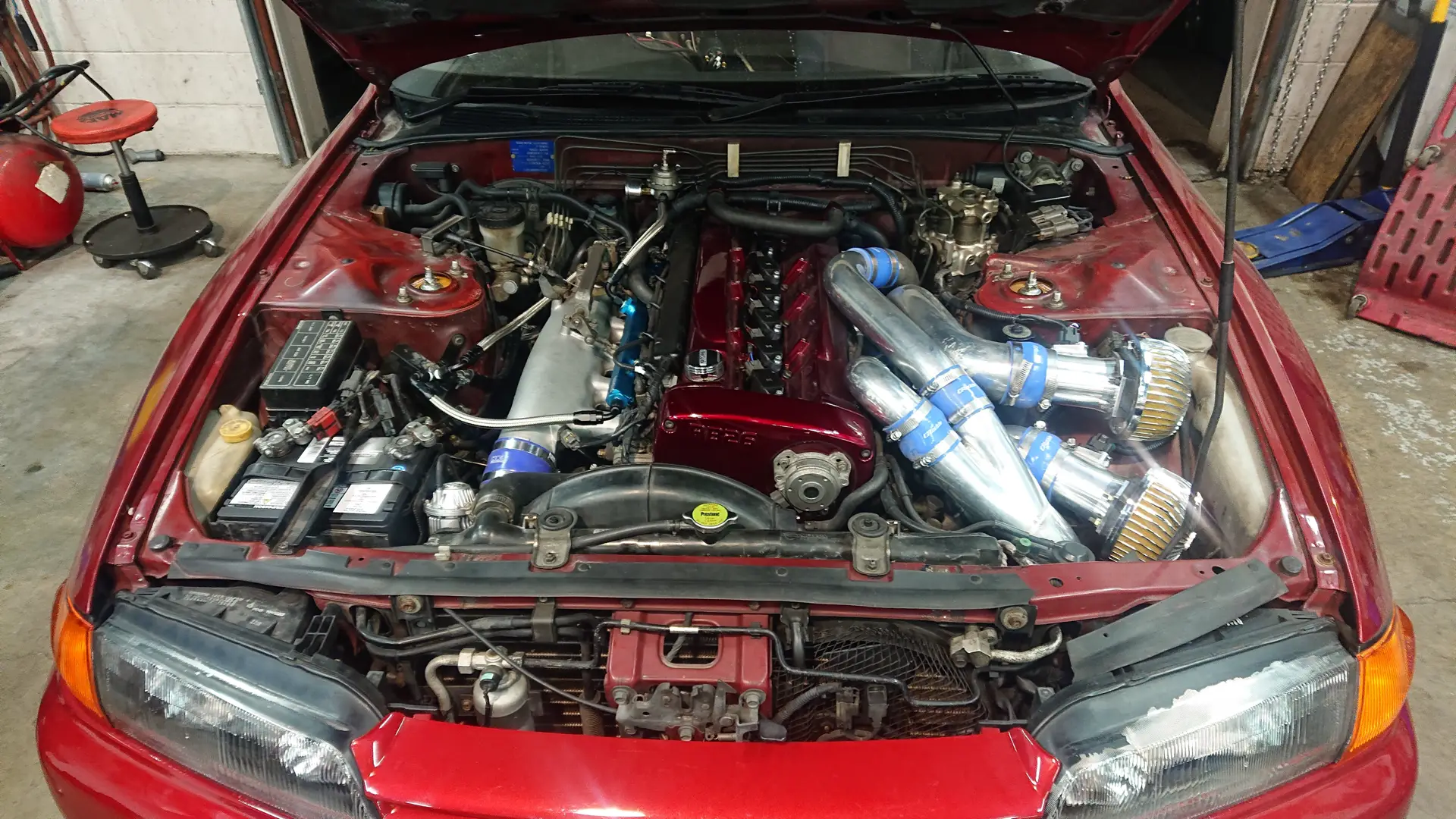
Calgary sits about 3,500 feet above sea level, and thinner air means a naturally aspirated engine makes less power here than the brochure says. A proper ECU calibration matches fuelling and timing to your hardware, your fuel and this climate. It is how you get the power back safely, and it matters most on forced induction cars.
What altitude does
An engine makes power by burning fuel with oxygen. At 3,500 feet there is less oxygen in every breath it takes.
A naturally aspirated engine simply loses power as the air thins. A turbocharged or supercharged engine can compress the air to make up the difference, which is why forced induction suits this city.
Add our drastic temperature swings and the same car can behave very differently in January and July.
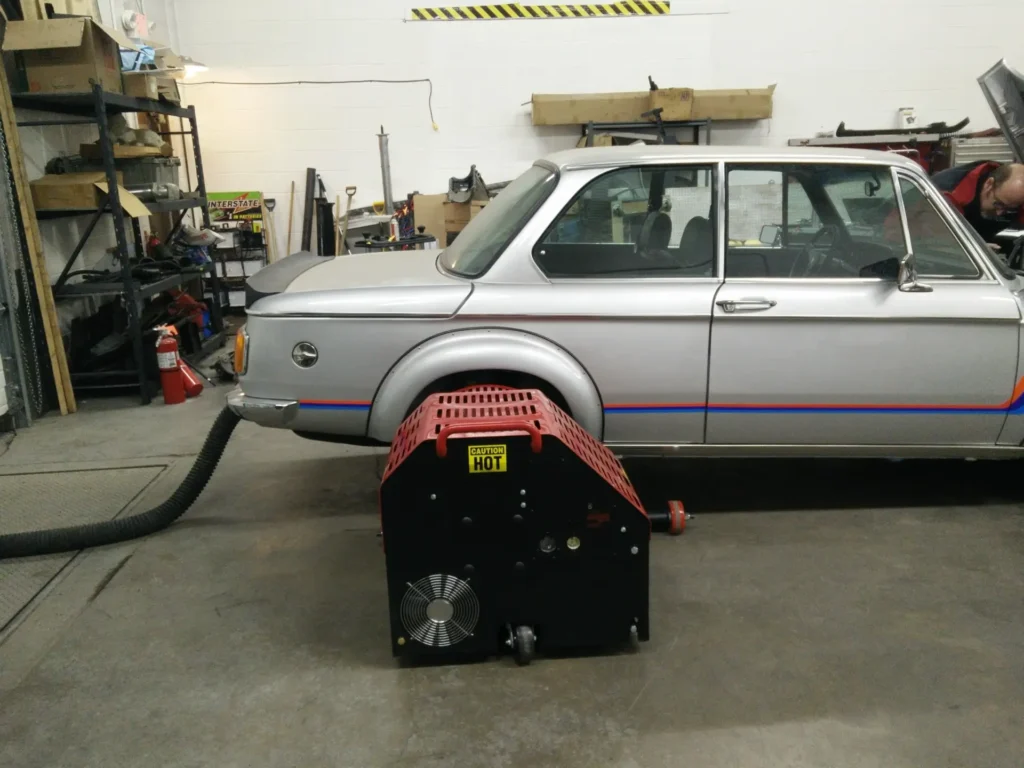
What a calibration actually changes
The engine computer decides how much fuel to add, when to fire the spark and, on boosted cars, how hard to push the turbo.
A calibration rewrites those decisions for the parts actually fitted. Done properly, it maximizes power delivery while keeping air-to-fuel ratios safe.
Our performance tuning in Calgary matches intake, exhaust and calibration to each other and to your fuel, your climate and your goals.
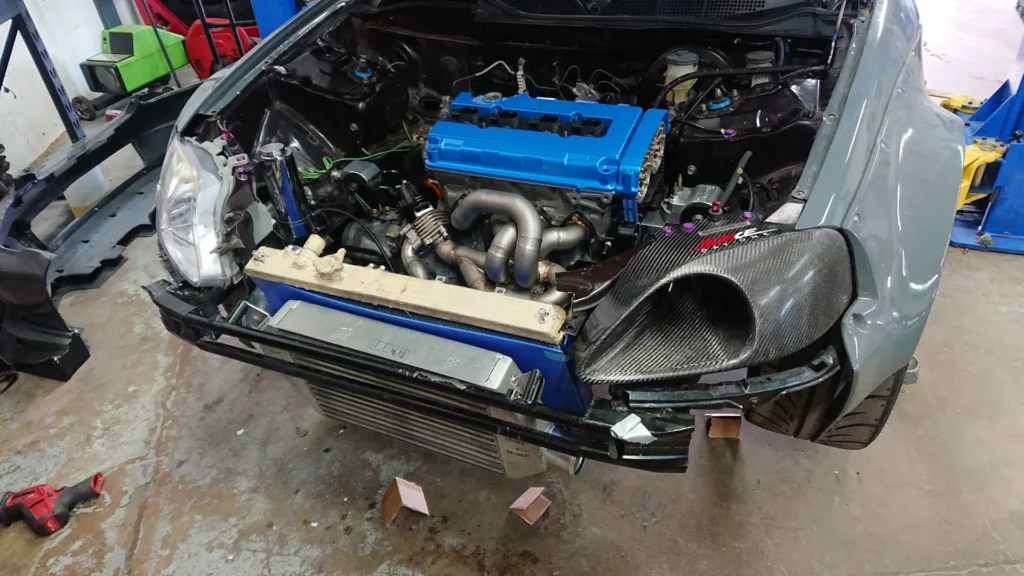
Hardware first, then software
Software cannot fix hardware that is not there. A tune works with the intake, exhaust, fuelling and cooling the car has.
That is why the goal comes first. We spec components that work together and tell you plainly what each one will and will not change.
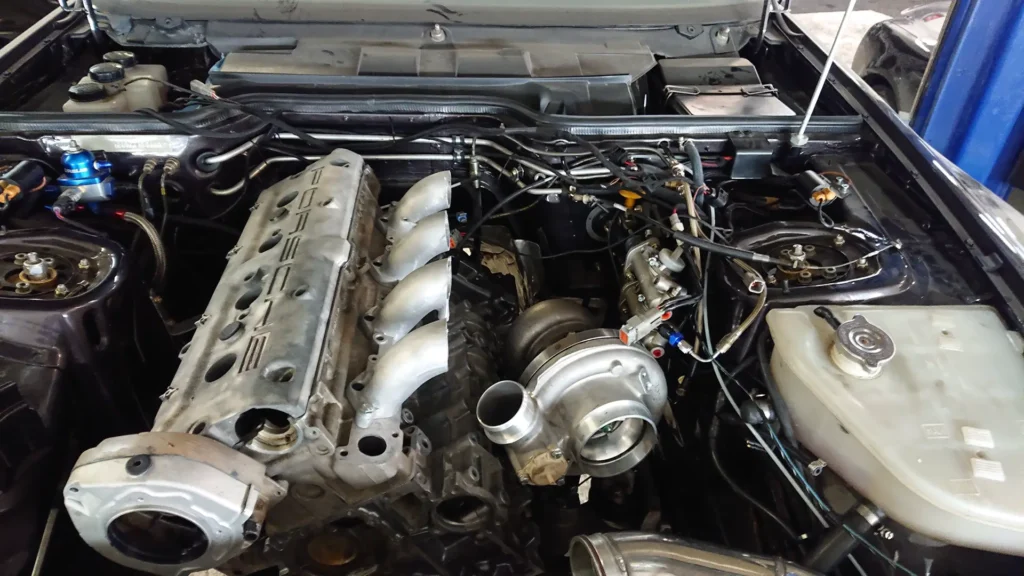
For engines built well beyond stock, standalone engine management is an option. Some of our projects run it.
How a tuning project works
Define the goal
Daily with an edge, weekend canyon car or dedicated track build. The goal decides the parts list.
Engineer the package
Hardware and calibration specified together, with supporting systems part of the plan.
Install, test, verify
Road or track verified against the goal we set together, with documentation of what was done and how it performed.
Questions owners ask
What does an ECU tune change?
The calibration that controls fuelling, ignition timing and, on turbocharged cars, boost. A proper calibration matches those to your hardware, your fuel and your climate.
Will a tune void my warranty?
Modifications can affect warranty coverage on related components. We’ll tell you what each change realistically means for your coverage before you decide.
Can a tuned car still be a daily driver?
Yes, if it’s built to be. We tune for drivability first and tell you plainly when a part crosses into track-only compromise territory.
Is a tuned car still street-legal?
We build to keep cars road-legal and advise on anything that affects emissions equipment or noise regulations.
Do you tune cars other than Porsche?
Yes. We service all makes. European and performance vehicles are our specialty.